Lola, Lolo, and the Living Room Nursery: Why Grandparent Immunity Is a Family Health Issue
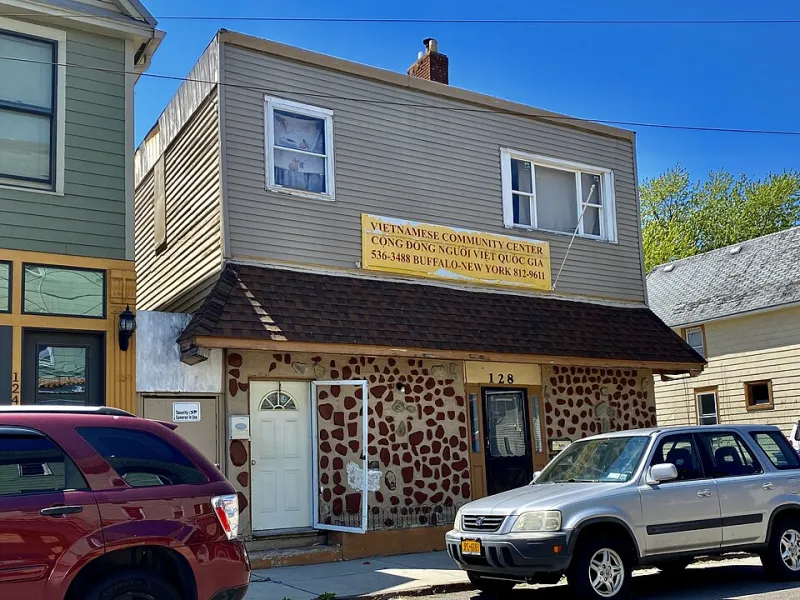
Photo: Andre Carrotflower, CC BY-SA 4.0, via Wikimedia Commons
In the living rooms and kitchen tables of Southeast Asian-American households across the country, a quiet but vital caregiving arrangement plays out every day. A grandmother — perhaps called Lola, Nenek, Bà Ngoại, or Yai — holds a sleeping infant while her adult children head to work. A grandfather builds block towers with a toddler while his daughter attends a graduate school class. These arrangements are not merely convenient. They are cultural cornerstones, expressions of family duty, and often the economic backbone that makes two-income immigrant households possible.
What these arrangements also are — though rarely discussed in this context — is an immunological ecosystem. The health of a grandparent who spends hours each day in close contact with a young child is directly relevant to that child's medical vulnerability. And in the United States, where the recommended adult vaccination schedule includes several boosters that many older Southeast Asian immigrants have never received, this is a conversation that families need to have.
The Cocooning Concept: Protection Through the People Around a Baby
Pediatricians and public health specialists use the term "cocooning" to describe a strategy in which everyone in close contact with an infant — parents, siblings, grandparents, regular visitors — is vaccinated against diseases the infant is too young to be fully protected from. The logic is straightforward: a newborn cannot receive certain vaccines until they reach a specific age, leaving a window of vulnerability that can only be closed by the immunity of the people around them.
Pertussis, commonly known as whooping cough, is the clearest example. Infants under six months of age are at the highest risk of severe illness and death from pertussis, yet they cannot complete the full DTaP vaccine series until they are approximately six months old. In the United States, pertussis outbreaks continue to occur, and transmission frequently traces back to adults — including grandparents — who carry the bacteria without realizing it, because their childhood immunity has waned.
The CDC recommends that all adults who will be in close contact with infants receive the Tdap booster (which covers tetanus, diphtheria, and pertussis) if they have not had one in the past ten years. For grandparents who received their last tetanus shot decades ago in a Southeast Asian clinic, this booster is almost certainly overdue.
Which Vaccines Should Grandparents Discuss With Their Doctor?
Beyond Tdap, there are several other vaccines that older adults in caregiving roles should review with a licensed U.S. healthcare provider:
Influenza (Flu). Annual flu vaccination is recommended for all adults, but it is especially important for those over 65 and those caring for young children. Adults 65 and older are encouraged to receive high-dose or adjuvanted flu vaccines, which produce a stronger immune response in older immune systems. Infants under six months cannot receive flu vaccines at all, making grandparent immunity particularly critical during flu season.
RSV (Respiratory Syncytial Virus). RSV is a leading cause of hospitalization among infants and young children. As of recent years, the FDA has approved RSV vaccines specifically for adults 60 and older. This is a newer addition to the adult immunization landscape, and many grandparents — regardless of background — may be entirely unaware that this option exists. Grandparents who are primary caregivers should ask their physician whether RSV vaccination is appropriate for them.
Pneumococcal Vaccines. Adults 65 and older are generally recommended to receive pneumococcal vaccines to protect against pneumonia and related infections. While this vaccine protects the grandparent rather than directly protecting the child, a hospitalized or seriously ill grandparent cannot provide childcare — making their own health protection a family matter as well.
COVID-19 Boosters. Updated COVID-19 booster doses continue to be recommended for older adults, particularly those with underlying health conditions. Grandparents should consult their physician about current booster recommendations based on their age and health status.
Shingles (Herpes Zoster). Shingles is caused by the reactivation of the varicella-zoster virus — the same virus that causes chickenpox. Adults who had chickenpox as children (which includes the vast majority of older Southeast Asians) carry this virus dormant in their nervous system. The Shingrix vaccine, a two-dose series, is recommended for adults 50 and older and is highly effective at preventing shingles and its painful complications. While shingles itself is not directly transmissible to children, an active shingles rash can spread the varicella virus to unvaccinated individuals, including young children.
Understanding Hesitation That Is Rooted in Experience
For many older Southeast Asian immigrants, hesitation around vaccines is not rooted in misinformation — it is rooted in lived experience with different healthcare systems. In many countries across the region, preventive medicine for adults is not a routine part of healthcare culture. Vaccines are associated with childhood, not with aging. A grandmother who has lived to her sixties or seventies without ever receiving an adult booster may reasonably wonder why she suddenly needs one now.
Additionally, some older adults express concern about the cost or logistics of accessing vaccines in the United States. Medicare Part B covers many recommended adult vaccines at no cost to the patient, including flu shots, Tdap, and pneumococcal vaccines. Medicare Part D covers others, such as Shingrix and RSV vaccines. Grandparents who are uninsured or underinsured may be able to access vaccines through community health centers, local health departments, or pharmacies participating in vaccine access programs.
Cultural attitudes toward aging also play a role. In many Southeast Asian traditions, older adults are not accustomed to being the focus of preventive health conversations — they are more often the ones encouraging younger family members to seek care. Reframing the conversation around their role as caregivers and protectors, rather than patients in need of intervention, can make the topic more accessible.
Starting the Conversation at Home
For adult children navigating this topic with their parents, the conversation requires sensitivity. Here are a few approaches that may help:
- Lead with gratitude and context. Acknowledge the caregiving role your parent plays and explain that you are raising this topic precisely because their health matters to the whole family.
- Use the pediatrician as a bridge. Many grandparents respond well when the recommendation comes from the child's doctor. Ask your pediatrician to speak directly with your parent, or to provide a printed summary of cocooning recommendations in your family's preferred language.
- Focus on the grandchild. For grandparents who are motivated by their role as protectors, framing vaccination as something they are doing for the grandchild — not something being done to them — can shift the emotional register of the conversation.
- Offer to accompany them. Navigating a U.S. clinic or pharmacy can be daunting for older immigrants with limited English. Offering to attend the appointment together removes a practical barrier and signals that this is a shared family priority.
Immunity Is a Collective Responsibility
The health of a child does not exist in isolation. It is shaped by the environment, the household, and the people who hold, feed, and care for that child every day. In Southeast Asian-American families where grandparents serve as the daily heartbeat of the home, their immunity is not a personal matter — it is a shared one.
Asking an aging parent to roll up their sleeve for a booster shot may feel like an awkward conversation. But it is also one of the most concrete expressions of mutual care that a multigenerational family can practice. In the spirit of the cocooning model, protection flows in all directions: the grandparent protects the grandchild, and the family — by supporting the grandparent's health — protects everyone.
If your family is unsure where to begin, a visit to a primary care physician or a local community health center is the right first step. Bring a list of questions, bring the grandparent's health history if available, and bring patience. This conversation is worth having.