The Paper Trail That Protects Your Child: A Family Guide to Vaccination Records in the United States
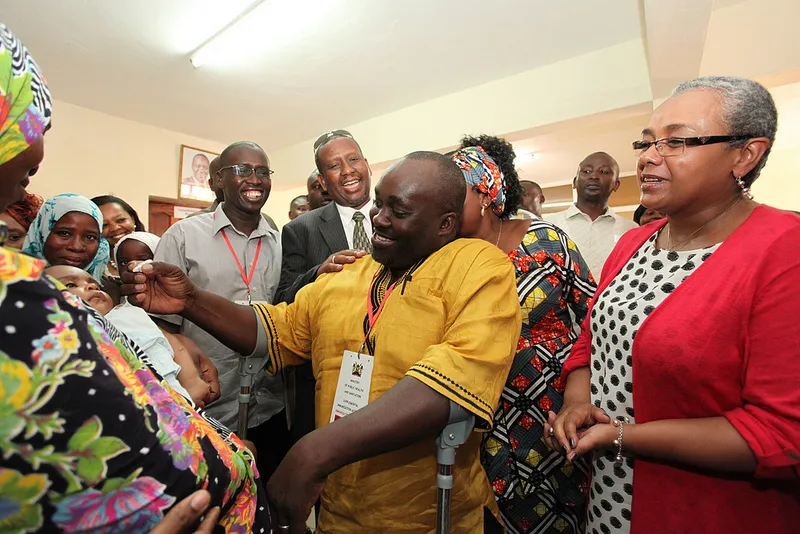
Photo: USAID in Africa, Public domain, via Wikimedia Commons
When a family relocates from the Philippines, Vietnam, Indonesia, or any other Southeast Asian country to the United States, the mental checklist is long. Housing, language, school registration, employment — immunization records rarely make the top of that list. Yet for many parents, it is a missing or poorly formatted vaccination document that first signals just how different the American healthcare system can be.
Vaccination records in the United States are not merely administrative paperwork. They are a functional instrument that touches nearly every major milestone in a child's life — from the first day of kindergarten to a college application, from a routine pediatric visit to an emergency room triage. Understanding their importance, and knowing how to manage them properly, is one of the most practical steps a family can take toward long-term health security.
Why Records Matter Beyond the Doctor's Office
Many families from Southeast Asia are accustomed to a vaccination booklet — a small physical card issued by a government clinic or hospital that lists the vaccines a child has received. This booklet holds real sentimental and functional value. But when a family arrives in the United States, that document enters a system that may not immediately recognize its format, its vaccine naming conventions, or even the immunization schedule it reflects.
Consider a common scenario: a seven-year-old child arrives in California after receiving all recommended vaccines in Indonesia. Her parents bring the vaccination booklet to the local school district during enrollment. The school nurse reviews the document but cannot verify whether the vaccines listed correspond to the specific antigens required under California state law. The family is asked to either provide additional documentation from a licensed U.S. healthcare provider or have certain vaccines repeated.
This situation is not unusual, and it is not caused by negligence on anyone's part. It is a direct result of differing immunization schedules, vaccine brand names, and documentation standards between countries. The World Health Organization's Expanded Programme on Immunization (EPI) schedule — widely used across Southeast Asia — differs in timing and scope from the schedule recommended by the U.S. Centers for Disease Control and Prevention (CDC) and the American Academy of Pediatrics (AAP).
What U.S. Schools and Healthcare Providers Actually Need
Every U.S. state sets its own immunization requirements for school entry, which means the specific vaccines your child needs can vary depending on where you live. Common requirements across most states include documentation of vaccines for measles, mumps, and rubella (MMR); diphtheria, tetanus, and pertussis (DTaP); polio (IPV); varicella (chickenpox); and hepatitis B. Some states also require meningococcal and hepatitis A vaccines for certain grade levels.
When presenting foreign vaccination records, a licensed U.S. physician or public health clinic must typically review and translate the documentation into a format accepted by your state's health department. This process often involves a physical examination, a review of the child's immunization history, and — in some cases — serological testing (blood tests) to confirm immunity rather than repeating vaccines unnecessarily.
Parents should be aware that repeating vaccines is generally safe and sometimes preferable to assuming prior immunity. A pediatrician can help determine which vaccines, if any, need to be administered again based on the child's age, health status, and documented history.
Step-by-Step: Organizing Your Child's Immunization History
Getting your child's records in order does not have to be overwhelming. The following steps can help you build a complete and verifiable vaccination history:
1. Gather every document you have. This includes the original vaccination booklet from your home country, any records from international clinics, hospital discharge summaries that mention vaccines, and any records from a U.S. provider your child may have already visited.
2. Schedule an appointment with a U.S. pediatrician or family physician. Bring all original documents. Ask the provider to review the records and enter verified information into your state's Immunization Information System (IIS), sometimes called an immunization registry.
3. Request a copy of your state's official immunization record form. Most states have a standardized form that schools and childcare centers will accept. Your pediatrician's office can complete this form based on verified records.
4. Keep both physical and digital copies. Scan all documents and store them in a secure cloud service or health app. Some states offer patient-facing portals where you can access your child's immunization registry data directly.
5. Update records after every vaccine. Each time your child receives a new vaccine, confirm that the information has been entered into the state registry and request an updated copy of the official record.
Navigating Digital Health Tools
The United States does not have a single national immunization registry. Instead, each state operates its own system, and these systems vary in how accessible they are to families. Some states, such as New York and Texas, have robust online portals where parents can log in and view or download their child's immunization history. Others require you to contact your local health department or provider's office directly.
Beyond state registries, several digital tools can help families organize health records. Apps such as MyChart (linked to many hospital systems), Apple Health, and various pediatric health platforms allow users to store vaccination records, receive reminders for upcoming doses, and share records with authorized providers. While these tools are useful, they are not official substitutes for state registry data when it comes to school enrollment or legal documentation.
For families who travel internationally — a common reality for Southeast Asian diaspora households maintaining ties to their home countries — having an up-to-date digital record is especially valuable. Certain destinations require proof of specific vaccinations (such as yellow fever) at the point of entry, and having records readily accessible on a smartphone can prevent delays or complications at border crossings.
When Records Are Missing or Incomplete
Some families arrive in the United States with no documentation at all — records were lost during a move, damaged, or simply never issued in a retrievable format. In these cases, the recommended approach is to treat the child as unvaccinated and begin the immunization schedule according to U.S. guidelines. This is a conservative but protective decision.
If you believe your child received vaccines but cannot locate the records, contact the clinic, hospital, or health ministry in your home country. Many facilities retain immunization logs for several years. The embassy or consulate of your home country may also be able to assist in retrieving official health records.
A Foundation for Lifelong Health
Maintaining accurate vaccination records is ultimately an act of advocacy — for your child's health, for their educational opportunities, and for their safety when they move through the world. For Southeast Asian families building a new life in the United States, understanding how this system works is not just helpful; it is essential.
The investment of time required to organize, verify, and update these records pays dividends at every stage of childhood. Whether it is a smooth first day of school, a stress-free international trip to visit family, or a seamless transition to a new pediatrician after a move, a complete and accurate immunization record removes one significant barrier from an already complex journey.
If you are unsure where to start, your child's pediatrician or your local county health department is the best first point of contact. Many communities with significant Southeast Asian populations also have multilingual health navigators who can assist families through this process in their preferred language.